
Septic to Sewer Conversion
Connecting to the city main is a bigger project than most people expect, and the surprises are usually in the parts around the pipe.
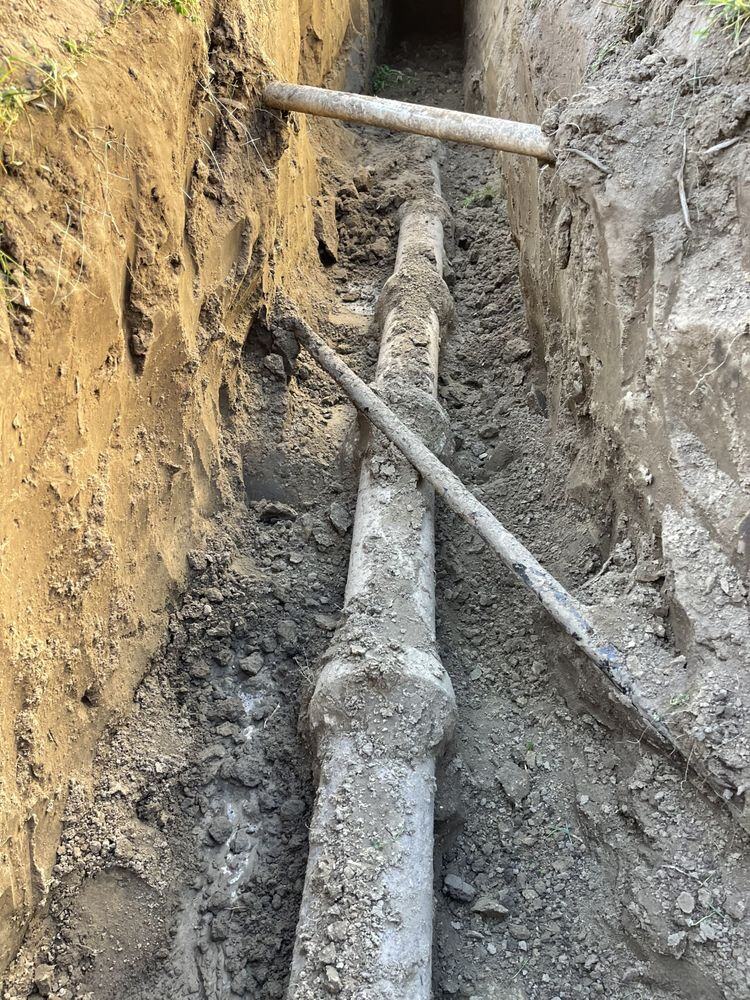
When a municipal sewer main becomes available to a property that's been on septic, converting means running a new lateral from the house to the connection point, tying in, and then properly abandoning the old septic system. The pipe work is often the straightforward half.
The parts that catch people out are the ones around it: permits and inspections, connection or impact fees charged by the utility, the requirement in most jurisdictions that the septic tank be pumped and either crushed and filled or removed rather than simply disconnected, and the possibility that the connection point sits across a street or an easement. We map all of that before quoting, and we'll tell you plainly which costs are ours and which are the city's, because a quote that hides the second category isn't a real number.
When this is likely your problem
What's included — and what isn't
Included in the quote
- Locating the connection point and mapping the lateral route
- Permit application and coordination with the required inspections
- Installation of the new sewer lateral from house to connection
- Connection at the main and abandonment of the old septic connection
- Pumping coordination and proper abandonment of the tank as required
- Backfill and rough grading of the trench
Quoted separately
- Utility connection, impact, or capacity fees, which are the city's charges
- Permit and inspection fees
- Landscaping restoration — sod, plants, irrigation, decorative rock
- Driveway, patio, or sidewalk cutting and replacement
- Septic tank pumping and haulage, performed by a licensed liquid waste hauler
- Boring or street cutting where the connection sits across a public road
How this job is priced
This is quoted only after a site visit and a check of what your jurisdiction requires, because distance to the connection, depth, what's on the surface, and the abandonment requirements move the total enormously. We itemise our work separately from city fees so you can see the whole picture. Anyone quoting a conversion over the phone is guessing at the half of it they can't see.
Related services
What the visit involves
Confirm what's required
Connection point, route, and your jurisdiction's rules for abandoning the tank. This shapes everything else.
Permit and plan
Permits pulled, inspections scheduled, and the disruption sequence explained before anything is dug.
Run and connect the lateral
New line from the house to the main, installed to grade and inspected.
Abandon the septic properly
Tank pumped by a licensed hauler, then crushed and filled or removed as required, with documentation.
Questions about septic to sewer conversion
Am I required to connect if sewer becomes available?
That depends on local rules, and in some jurisdictions properties within a certain distance of an available main are required to connect within a set period. Because these requirements are local and do change, confirm your specific obligation with your city or county rather than relying on us. We can tell you what we typically see; they can tell you what applies to you.
What happens to the old septic tank?
In most jurisdictions it can't simply be disconnected and left. The standard requirement is that it's pumped by a licensed hauler and then either crushed and backfilled or removed entirely, with documentation. An abandoned tank left intact is a genuine safety hazard and a problem at resale, so this is worth doing properly.
Why can't you quote this over the phone?
Because the biggest variables are invisible from a phone call: how far the connection point is, how deep, what's on the surface between here and there, and what your jurisdiction requires for abandonment. We could give you a number, but it would either be padded to cover the worst case or would change once we arrived.
Are the city's fees included in your quote?
No, and we itemise them separately precisely so you can see that. Connection, impact, and permit fees go to the utility or the city, not to us. We'll tell you what we've seen typically charged so you can budget, but the authority sets those and we don't control them.
Ready to get this sorted?
Call and describe the symptoms. You'll get an honest read before anyone drives out.